

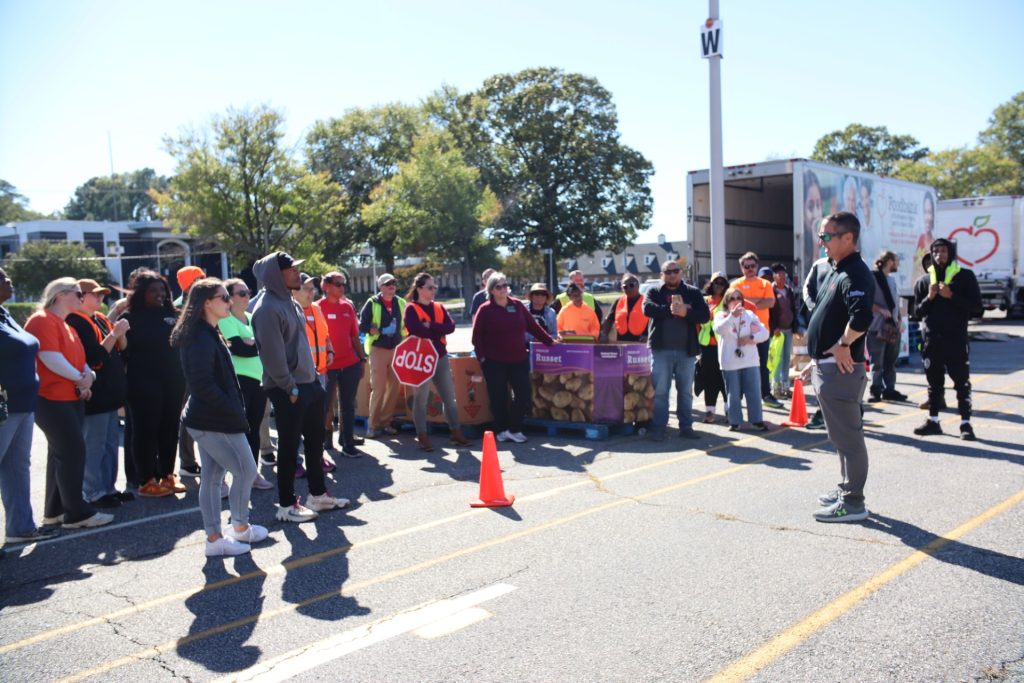
From $72K to $600K: How One Food Bank 8x’d Co-Op Revenue Without Major Operational Changes
Christian knew something wasn’t working. As the purchasing manager at Foodbank of Southeastern Virginia and the Eastern Shore, he was fielding calls from partner agencies who’d found better prices at Walmart. They were polite about it (food bank agencies usually are), but the message was clear: we love supporting you, but we can’t justify the cost difference.
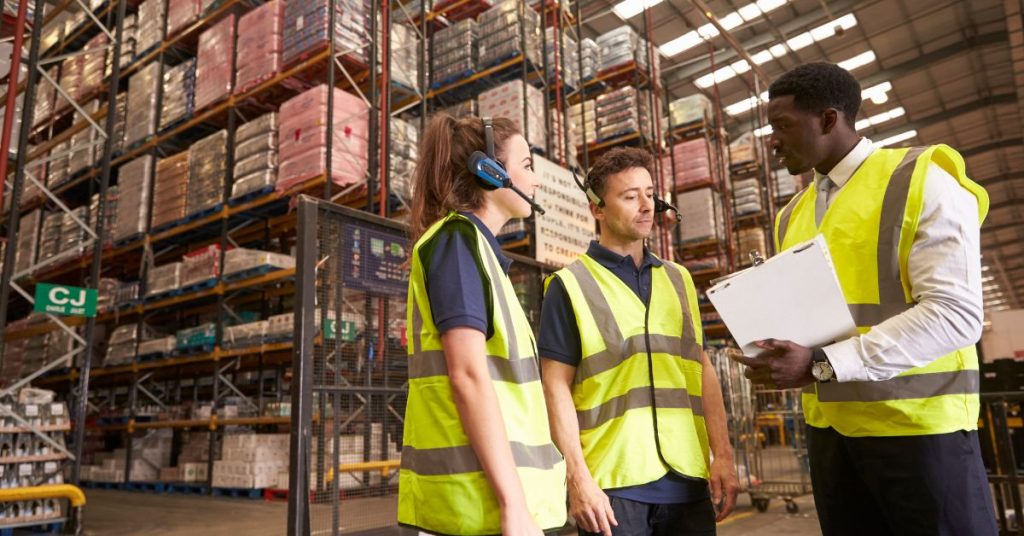
Managing Year-End Inventory: How Food Banks Minimize Warehouse Downtime in December
Your warehouse has to shut down in December for year-end counts, federal compliance, and facility maintenance. But with the right procurement strategy, you can minimize the time you’re offline and avoid the January panic that occurs when every food bank places emergency orders simultaneously.
From the CEOs Desk – CERTAINTY
I have previously written about uncertainty and we are experiencing no less of it today than earlier this year. However, what is increasingly certain is that government programs are at least temporarily losing funding. Specifically, and acutely, SNAP runs out this weekend and WIC likely a week from now tied directly to the government shutdown.

Managing a Surge in Demand: What Food Banks Need to Know Right Now
Federal funding uncertainty could affect SNAP distribution for 42 million Americans beginning November 1. Combined with furloughed federal workers already seeking assistance and holiday-season preparation, food banks face demand from multiple directions at once.
The difference between food banks that maintain service during a surge and those that exhaust capacity often comes down to a single decision: ordering emergency inventory before you think you’ll need it, not after demand spikes.
Surges in demand aren’t new. They occur due to hurricanes, federal government shutdowns, mass local layoffs, economic disruptions, and seasonal spikes. The operational challenges are similar regardless of cause. Here’s what prepared food banks do differently.
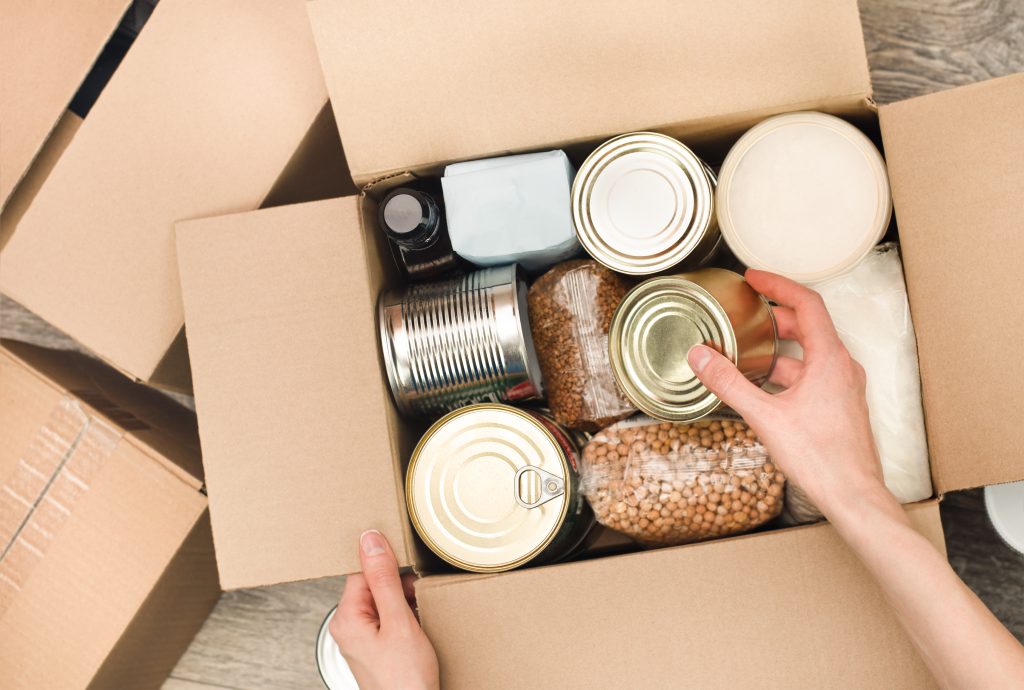
Food Bank Procurement: How to Buy Food You’ve Never Tasted
Beyond Price: How VAFS Reduces Risk and Protects Dignity Through Rigorous Quality Assurance for Food Banks and Hunger Relief Organizations.
Marietta still remembers the phone call. Two truckloads of holiday stuffing that looked more like Shake and Bake breadcrumbs than the cubed stuffing families expected for their Thanksgiving tables. With $44,000 tied up in product that didn’t meet their food bank standards and no resolution from the vendor, she faced what she calls “my nightmare fail as a buyer.”
“I was so ashamed,” Marietta recalls. “We talk about giving people joy during the holidays, but there’s also a certain amount of dignity we want people to have when receiving food. I don’t want it to look like stuff that fell on the floor in a manufacturing facility and got scooped up.”
When Disaster Strikes: The Hidden Crisis That Unfolds in Hours
Understanding the critical role of food supply chains in hurricane and disaster relief.
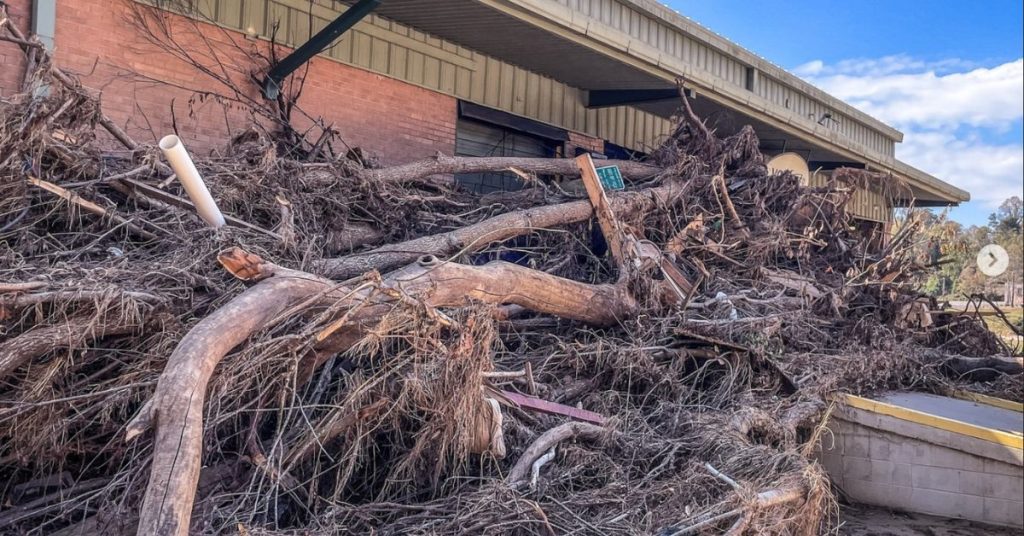
In September 2024, Hurricane Helene’s floodwaters ripped the walls off the MANNA FoodBank in Asheville, North Carolina. Within hours, the primary food distribution hub for Western North Carolina was gone, reduced to open-air parking lot operations with no refrigeration, no permanent shelter, and thousands of additional families suddenly cut off from food access.
But the physical destruction was only the beginning. Kristi Rose was serving in food sourcing at MANNA during Helene. She recalls the moment reality set in: “Communication was really almost non-existent. Our staff couldn’t reach each other due to a complete communication breakdown—no cell service, no internet, no power.