

From feeding children on weekends to supporting entire families year-round, Arkansas Foodbank is reimagining what hunger relief can look like in schools.

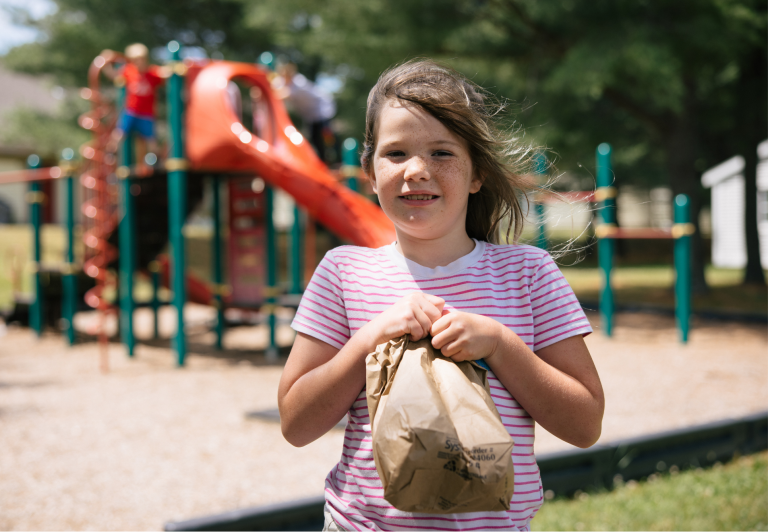
For many children, Friday is a day to celebrate. For others, it’s a source of uncertainty. When school cafeterias close for the weekend, thousands of children facing food insecurity lose access to the meals they rely on during the week. For decades, backpack programs have helped bridge that gap by sending children home with shelf-stable food to help carry them through until Monday. Arkansas Foodbank has long been a leader in that effort.
Serving 33 counties across the state, the organization currently supports 68 schools and approximately 1,710 children every week through its Backpack Program, providing nutritious food packages designed to help students stay fed when school is not in session. Listening has always been at the heart of Arkansas Foodbank’s work, and as those conversations deepened, the team realized something important:
The need was often bigger than the backpack.
A Program That Started a Movement
Arkansas Foodbank’s connection to backpack programs runs deeper than most. What many people don’t realize is that the modern Backpack Program traces its roots back to Arkansas. According to Arkansas Foodbank, the program began in 1994 through the Arkansas Rice Depot, which piloted one of the first organized efforts to send food home with students for weekends when school meals were unavailable. The model proved so effective that it spread across the country and eventually became a widely adopted strategy throughout the Feeding America network and beyond. [arkansasfoodbank.org]
Today, more than three decades later, Arkansas Foodbank continues to build on that legacy. The organization now serves 68 schools and approximately 1,710 children each week through its Backpack Program while exploring new models designed to reach even more families.
From Feeding Children to Supporting Families
Founded in 1984, Arkansas Foodbank’s mission is simple yet powerful:
“We find pathways to connect people, resources and food to reach those in need, providing dignity, hope and a brighter future for all Arkansans.”
That focus on dignity shapes every aspect of the organization’s Food for Kids programming. Backpack food packages are carefully designed to support children over the weekend, including breakfast items, entrees, snacks, and shelf-stable foods that are easy to prepare or consume independently. The team also recognizes that every family’s situation is different.
“We have to remember that not everyone has a kitchen. Not everyone has a home,” explained (Dreia) Andrea Alexander, Programs Director at Arkansas Foodbank.
As they evaluate food options, the team considers factors many people might not think about, including food preparation requirements, storage limitations, accessibility, and nutrition.
“It’s become much more intentional,” said Stephen Easter, Food Sourcing Director. “The items that we’re putting in these packages today are much more focused on what kids need nutritionally and what actually works for the families receiving them.”
That intentionality has helped strengthen an already impactful program. Yet, despite serving thousands of children, the team kept hearing the same challenge. Often, only one child in a household qualifies for a backpack program, while the rest of the family continues to face food insecurity.
Listening Led to Innovation
Rather than assuming they had all the answers, Arkansas Foodbank asked more questions. They met with school administrators, surveyed families, listened to community partners, and paid attention to what people were telling them.
“We know there may be four children in a household, but only one is going home with food,” said Alexander. “That made us ask, how can we do this better?”
The result was the launch of the organization’s School Market Pilot Program.
Over the past year, Arkansas Foodbank has successfully transitioned five school districts into School Markets, with a long-term goal of supporting 30 school-based markets by 2030. Unlike traditional backpack programs, School Markets operate similarly to small grocery stores inside schools. These make it possible to offer fresh produce, dairy products, proteins, whole grains, and ingredients for complete family meals, while also creating opportunities for nutrition education, cooking demonstrations, and recipe sharing within the community. Students and families can shop for the foods they need, select items their households will use, and access resources that promote long-term health and self-sufficiency.
“It allows us to serve entire families, not just one child,” Alexander explained.
What Happens When Communities Have Choices
One of the themes that surfaced repeatedly during our conversation with Arkansas Foodbank was the importance of choice. Historically, hunger relief programs often distributed pre-packed food boxes based on availability. The School Market model takes a different approach. Families get to choose foods that reflect their preferences, dietary needs, cultural traditions, and cooking abilities. That seemingly small shift creates meaningful change.
“We can give someone 500 pounds of food,” said Alexander. “But if they can only use one pound of it, we’ve wasted the rest.”
Choice reduces food waste; it improves dignity, and it increases the likelihood that families will consume the food they’re receiving. The impact extends far beyond the pantry shelves.
Arkansas Foodbank has heard stories of families sharing recipes with one another inside school markets. Parents exchange cooking tips. Community members contributing produce from their own gardens back into the program. Schools host cooking demonstrations and nutrition education sessions to help families make the most, out of available resources. The market has become more than a food distribution site. It becomes a community hub.
Lessons for Other Food Banks
One of the most impressive aspects of Arkansas Foodbank’s approach is that their success isn’t driven by a single program. It’s driven by a willingness to constantly evaluate what’s working, listen to communities, and adapt.
Several key takeaways emerged during our conversation that other hunger-relief organizations may find valuable:
Listen First, Build Second
Every major innovation Arkansas Foodbank has implemented began with conversations. Schools, families, community partners, volunteers, and neighbors all help shape program decisions. Rather than assuming what communities need, the team actively surveys schools, collects feedback, and adjusts programs based on lived experience.
Design Programs Around the Whole Family
One of the biggest lessons that led to the School Market model was recognizing that hunger rarely impacts only one person in a household. While backpack programs remain an incredibly important intervention for children, Arkansas Foodbank found greater long-term impact when they designed solutions that could support parents, siblings, and caregivers as well.
Focus on Choice, Not Just Distribution
The organization believes one of the biggest shifts happening across hunger relief is the movement toward choice-based models. When families can select foods that match their dietary needs, cultural preferences, and household circumstances, food waste decreases and program participation increases.
Use Data to Guide Decisions
Whether identifying counties with lower produce access, selecting schools for new School Markets, or determining where resources should be directed, Arkansas Foodbank relies heavily on data alongside community feedback. As Stephen Easter explained during our conversation, success is not simply about distributing food. It’s about getting the right food to the right communities for the right reasons.
Build Strong Supplier Partnerships
Programs serving thousands of children require consistency. Arkansas Foodbank credits trusted partners such as VAFS with helping reduce administrative burden, improve planning, and create flexibility when sourcing products for large-scale programs. The result is more time spent serving neighbors and less time spent managing procurement challenges.
The Human Impact Behind the Numbers
The most powerful measure of success isn’t found in distribution reports. It’s reflected in the lives of the children these programs serve.
During a recent community discussion, one school administrator shared a story about a young student who arrived at school unusually upset and disruptive. Staff members quickly discovered the root cause. The child was hungry. After receiving food and support, she calmed down and explained that there was no food at home for her siblings either. Stories like these reinforce why the work matters.
Arkansas Foodbank has also received feedback from educators who have seen students become more engaged, confident, outgoing, and ready to learn when they have consistent access to food.
Another story involved a young boy who became distraught after forgetting the backpack he normally used to carry home his food package. He worried he would miss out on the food his family depended on. The bus driver reassured him immediately. He would still receive his food. The bag wasn’t what mattered. The support did.
These moments illustrate a reality that many people never see. Hunger affects much more than the dinner table. It affects learning, focus, confidence, belonging, and opportunity.
Building a Stronger Program Through Partnership
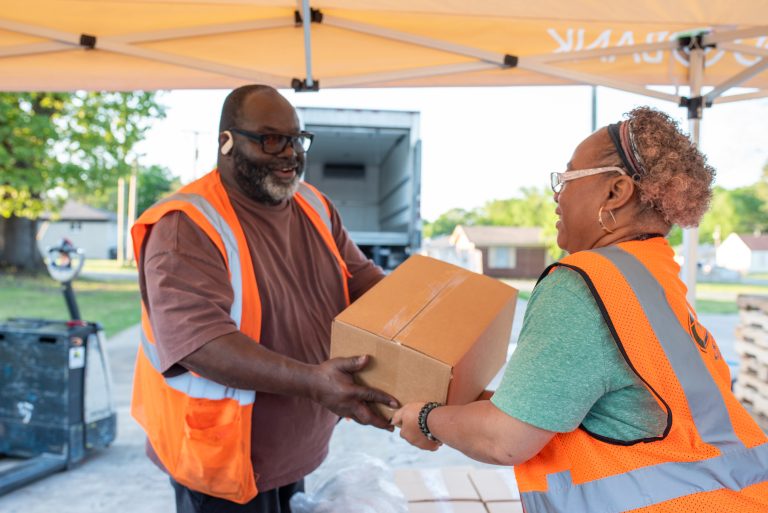
Arkansas Foodbank’s programs have evolved, so it has the complexity of sourcing food. Designing backpack menus requires months of planning, careful budgeting, and sourcing products that meet nutritional and logistical requirements. For nearly a decade, Arkansas Foodbank has partnered with Value-Added Food Sales to help simplify that process.
According to Stephen Easter, ordering backpack food used to involve extensive product research, quantity calculations, and coordination across multiple suppliers. Today, the process looks very different.
“I tell Meegan how many backpacks we’re building and what we want included, and she handles the details,” Easter said. “It’s saved us a tremendous amount of time.”
The partnership extends beyond product sourcing. Arkansas Foodbank regularly collaborates with VAFS on menu development, purchasing optimization, pricing strategies, and product selection to help maximize limited nonprofit budgets.
“Those small details matter,” said Alexander. “When you’re operating on a tight budget and planning for children all year long, having those insights helps us stretch every dollar further.”
The relationship has also helped Arkansas Foodbank become more proactive. From identifying substitute products before shortages occur to understanding future pricing trends and planning purchases accordingly, the collaboration helps the organization make informed decisions that maximize every available dollar. As Easter put it, what once required extensive research and coordination can now begin with a simple conversation.
Looking Ahead
Arkansas Foodbank’s vision for the future is ambitious. By 2030, the organization hopes to support approximately 30 School Market communities while continuing to expand access to nutritious foods across its service area.
The team believes the future of hunger relief will increasingly focus on three key areas:
- Nutrition-focused food assistance
- Choice-based distribution models
- Community-driven solutions tailored to local needs
The organization is also seeing increased demand for healthier options, allergy-friendly products, and foods that support specific dietary needs and chronic health conditions. Programs that combine food access with nutrition education and wellness support are becoming increasingly important as food banks look beyond simply providing calories and focus more intentionally on overall health outcomes.
At the same time, Arkansas Foodbank understands that backpack programs remain an essential part of serving children experiencing food insecurity today. The goal is not simply to replace one model with another. It’s to continue finding better ways to meet people where they are.
That commitment to listening, adapting, and innovating is what makes Arkansas Foodbank stand out. The organization helped pioneer one of the most influential child hunger programs in the country. Today, it is helping shape what comes next. They’re not just delivering food. They’re building pathways to dignity, opportunity, and hope for families across Arkansas.
About Arkansas Foodbank
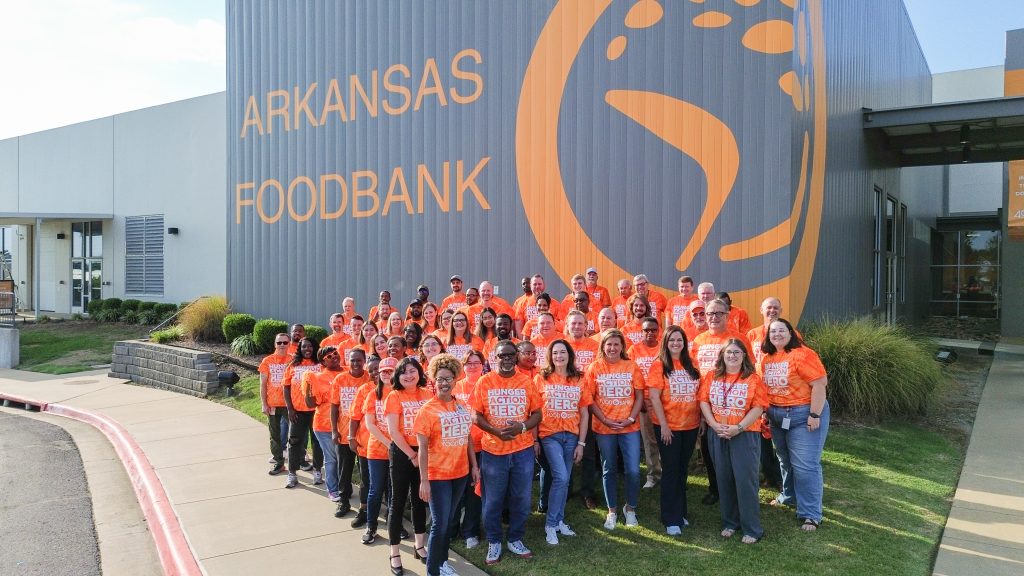
Founded in 1984 and headquartered in Little Rock, Arkansas, Arkansas Foodbank serves 33 counties across the state through food distribution, child hunger initiatives, senior nutrition programs, SNAP assistance, Food as Medicine initiatives, and innovative school-based solutions. Guided by the values of Collaboration, Respect, Innovation & Creativity, and Service, the organization works every day to connect people, resources, and food to create a brighter future for all Arkansans. Learn more at arkansasfoodbank.org.
Supporting Backpack Programs and School Hunger Initiatives
Whether your organization is building a traditional Backpack Program, exploring School Markets, or looking for new ways to expand child hunger initiatives, the right food strategy can make all the difference. Value-Added Food Sales partners with hunger-relief organizations across the country to simplify sourcing, stretch budgets, and create customized solutions that meet the unique needs of each community.
From our ready-to-deploy Backpack Boxes to fully customized backpack builds, we help organizations source nutritious, kid-friendly products that support children when school meals aren’t available. As programs evolve, we also work alongside partners to identify family-focused products, healthier options, and flexible purchasing strategies that support the next generation of hunger-relief programs.
Interested in strengthening your Backpack Program or exploring new school-based feeding solutions? Contact the VAFS team to learn how our customized backpack boxes, product sourcing expertise, and nonprofit-focused support can help you serve more neighbors in need.