

One Can. Countless Possibilities.
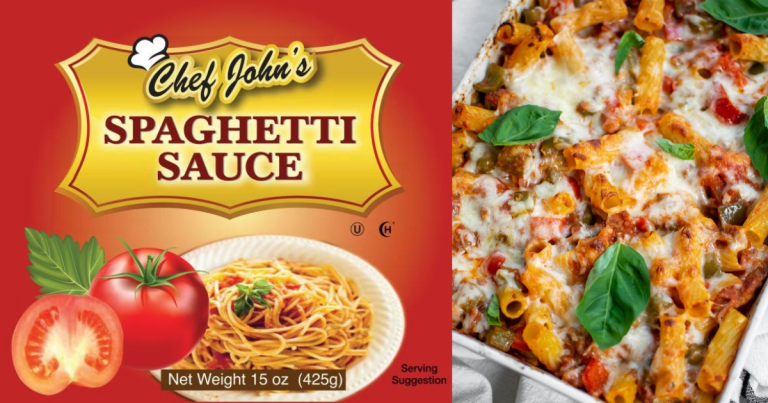
For many households, a single pantry item can become the foundation for multiple meals. A can of pasta sauce may seem simple, but it has the power to transform basic ingredients into comforting, filling dishes that bring families together around the table. Whether it’s paired with pasta, used in casseroles, spread on homemade pizza, or incorporated into soups and skillet meals, spaghetti sauce is one of the most versatile meal starters a pantry can offer.
For food banks and hunger relief organizations, that versatility matters. When families receive products that can adapt to the ingredients they already have on hand, it becomes easier to stretch meals further, reduce food waste, and create satisfying dinners on a budget.
This month, we’re featuring Chef John’s Low Sodium Spaghetti Sauce from our partner Northeast Tomato, a pantry staple that combines convenience, flexibility, and familiar flavor in a shelf-stable format designed to meet a variety of household needs.
Why This Product Works for Hunger Relief
The most valuable products in food distribution are often the ones that can be used in multiple ways. Chef John’s Low Sodium Spaghetti Sauce helps households turn everyday ingredients into complete meals without requiring extensive preparation or specialized cooking skills. From comforting casseroles and pasta dishes to pizzas, sandwiches, and savory appetizers, this versatile sauce adapts to countless meal occasions.
Its low sodium formulation also provides an option for individuals and families who are mindful of their sodium intake while still wanting the convenience and flavor of a traditional pasta sauce. Just as importantly, it’s a product people already know how to use. That familiarity increases the likelihood that the product will be enjoyed rather than set aside, helping maximize the impact of every distribution.
More Than Just Spaghetti
One of the greatest strengths of pasta sauce is its ability to help families create a variety of meals from a single pantry item.
A can of Chef John’s Low Sodium Spaghetti Sauce can be used for:
- Traditional pasta dinners
- Pasta bakes and casseroles
- Homemade pizzas
- Meatball or meatless sandwiches
- Stuffed peppers
- Skillet meals
- Soup and stew bases
- Dipping sauces for breadsticks or vegetables
For households working to stretch a grocery budget, products with multiple uses can make meal planning easier and help create more variety throughout the week.
Quick Tip: Adding vegetables such as spinach, mushrooms, onions, zucchini, or bell peppers can help stretch meals even further while increasing nutrition and flavor.
About Our Partner: Northeast Tomato
Since 2015, Northeast Tomato has been producing tomato-based products using California-grown tomatoes processed and canned in New Jersey. Their products are manufactured under one roof in Paterson, New Jersey, allowing the company to maintain consistency and quality across its extensive line of sauces, pastes, purées, crushed tomatoes, ketchup, and salsa products. By supplying both private label and branded products across the United States, Northeast Tomato helps ensure dependable, shelf-stable pantry staples remain available for retail and hunger relief channels alike.
Featured Recipe: Easy Cheesy Pasta Bake
This simple recipe demonstrates how a single can of spaghetti sauce can become a hearty family meal using ingredients commonly found in many kitchens.
Why This Recipe Works
- Uses simple pantry ingredients
- Easily customized with available vegetables or proteins
- Budget-friendly and family-friendly
- Helps stretch ingredients into multiple servings
- Great for meal planning and leftovers
Easy Cheesy Pasta Bake
Servings: 4
Prep Time: 10 minutes
Cook Time: 25 minutes
Ingredients
- 1 can (15 oz.) Chef John’s Low Sodium Spaghetti Sauce
- 8 oz. dry penne, rotini, or other pasta
- 1 cup shredded mozzarella cheese
- ½ cup diced onion
- ½ cup diced bell pepper
- 1 teaspoon Italian seasoning
- 1 tablespoon olive oil
- Optional: 1 cup cooked ground turkey, chicken, or lean ground beef
Instructions
- Preheat oven to 375°F.
- Cook pasta according to package directions. Drain and set aside.
- Heat olive oil in a skillet over medium heat. Add onion and bell pepper and cook until softened.
- Stir in the spaghetti sauce and Italian seasoning. If using cooked meat, add it now.
- Combine the cooked pasta and sauce mixture until evenly coated.
- Transfer to a baking dish and sprinkle mozzarella cheese evenly over the top.
- Bake for 15-20 minutes, or until the cheese is melted, and the sauce is hot and bubbly.
- Serve warm and enjoy.
Product Highlights
- Low sodium recipe
- Convenient 15 oz. can size
- Shelf life of up to 3 years
- Made in the USA
- Kosher Certified
- Produced in a Halal-certified facility
- Versatile pantry staple for multiple meal applications
- Easy to store, distribute, and use
Why This Matters for Your Operations
Food banks are continually challenged to balance nutrition, storage efficiency, product variety, and client satisfaction. Products that can serve multiple purposes help meet all four goals.
Chef John’s Low Sodium Spaghetti Sauce offers excellent distribution value because it can be used in dozens of different ways while requiring minimal storage space and preparation. Its long shelf life supports inventory planning, while its versatility allows households to create meals based on what they already have available. Most importantly, it’s a product that empowers families to do more with what they receive. From quick weeknight dinners to creative pantry meals, a single can provides flexibility, comfort, and the opportunity to bring a meal together around the table.
When you’re looking for a practical pantry staple that delivers value well beyond its shelf space, Chef John’s Low Sodium Spaghetti Sauce is a strong addition to consider for your next order.
Product information and recipe inspiration courtesy of Northeast Tomato.